Modern Kitchen Layout 2026: Your Complete Design Transformation Guide
Look, I've been obsessed with kitchen design for years, and I've got to tell you — 2026 is bringing something seriously different to the table. The kitchens we're seeing now are way less about showing off and way more about actually living in the space. Gone are the days of cramped layouts and unused islands that just collect clutter. What's in is smart, functional design that actually makes cooking a joy instead of a chore.
Here's the thing about modern kitchen layouts in 2026: they're all about flow, flexibility, and honestly? Making your life easier. Whether you're working with a galley kitchen or you've got the luxury of an open concept space, the principles remain the same. We're talking about creating work zones that make sense, incorporating better lighting, and choosing materials that won't make you regret your choices in five years.
I'm going to walk you through everything you need to know to redesign your kitchen like you actually know what you're doing — because after reading this, you will. We'll cover the materials, the layout strategies, and the kind of practical advice that actually matters when you're standing in your kitchen wondering if that new refrigerator placement is going to work.
What You'll Need
Before you start pulling out cabinets and measuring walls, let's talk about the actual items you'll need. Depending on how extensive your remodel is, your shopping list might look different, but these are the modern essentials:
- Soft-close cabinet hardware — $150-400 (from The The Home Depot)
- Quartz or solid surface countertops — $3,000-8,000 installed
- LED under-cabinet lighting — $200-600
- Modern faucet with pull-down spray — $200-800
- Stainless steel or integrated appliances — $3,000-12,000
- Backsplash tile (subway or large format) — $600-2,000 installed
- Flooring (luxury vinyl or polished concrete)
- Paint or cabinet refinishing supplies — $200-500
- Hardware for drawers and doors — $300-700
- Measuring tools and level — $50-150
Step-by-Step Guide
Step 1: Assess Your Current Layout and Identify Pain Points
Start by honestly evaluating what's not working right now. Is your sink too far from the stove? Does your family keep bumping into each other when you're all cooking? Are you walking miles just to grab a glass? Take measurements of your kitchen — length, width, ceiling height — and note where your major appliances are. This is the foundation of everything else you'll do. Sketch it out on paper or use an app; honestly, I still use a pencil and graph paper because it forces me to really think about the space.
Step 2: Establish the Work Triangle (With 2026 Modifications)
The classic work triangle — connecting your refrigerator, sink, and stove — is still relevant, but modern kitchens are tweaking it. The ideal distance between these three points should be between 4 and 9 feet each. What's changed is that we're now adding a fourth zone: the prep area or food storage. This creates more of a diamond than a triangle, giving you flexibility for bigger kitchens or open concepts. If you're working with a smaller space, that's okay — just make sure these zones don't cross each other's paths.
Step 3: Plan Your Zones and Traffic Flow
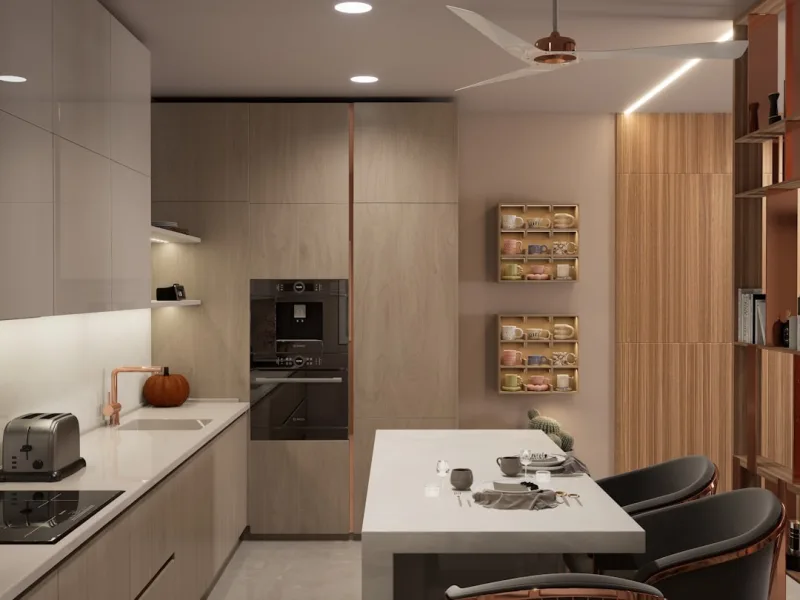
Modern 2026 kitchens are all about designated zones. You should have a cleanup zone (sink), a cooking zone (stove and prep), a storage zone (pantry and fridge), and a serving zone. Draw lines on your sketch showing how people naturally move through your kitchen. You want the path from the entrance to the fridge to the sink to the stove to feel natural — not cramped or awkward. This is where HGTV's design principles really shine through in real-world applications.
Step 4: Choose Your Appliance Placement
Here's where it gets real. Modern kitchens are moving away from that "all appliances in a line" setup. Instead, we're seeing staggered placement that creates visual interest and improves functionality. Your refrigerator works best near the entrance, your range or cooktop should be against an exterior wall if possible (for ventilation), and your sink? Keep it near a window if you've got one. Trust me, you'll appreciate the view while doing dishes. Make sure there's adequate counter space on both sides of your workspace — at least 24 inches is ideal.
Step 5: Install Lighting Strategically
This is non-negotiable for 2026 modern kitchens. You need three types of lighting: ambient (general overhead), task (under-cabinet and focused on work areas), and accent (highlighting features or creating mood). LED strips under your cabinets are game-changers — they cost $200-600 but transform the entire feel of your space. Add a statement pendant light or two over an island, and suddenly you're living in a kitchen that actually functions at night.
Step 6: Refresh Cabinets and Hardware
You don't need to replace everything. Paint your existing cabinets in trendy 2026 colors — soft whites, warm grays, even sage green is having a moment — and swap out the hardware. This alone can cost $500-1,500 total and make your kitchen look completely different. Soft-close hinges and drawer pulls are worth the investment because, honestly, nobody wants to hear cabinet doors slamming at 6 AM.
Step 7: Update Countertops and Backsplash
 Budget Apartment Renovation: DIY Hacks That Actually Work
If your budget allows, this is where you invest. Quartz is the big player in 2026 because it's durable, low-maintenance, and comes in about a million colors. The backsplash should complement your counters — large format tiles or subway tiles are the modern standard. Better Homes & Gardens & Gardens has some gorgeous inspiration if you're feeling stuck on colors.
Step 8: Finalize Flooring
Luxury vinyl plank is taking over modern kitchens because it looks like real wood, holds up to spills, and actually feels good underfoot (unlike cold tile). It typically runs $800-2,500 installed depending on your square footage. Make sure it transitions smoothly to adjacent rooms.
Pro Tips
Go vertical with storage. Modern kitchens are maximizing wall space with open shelving, tall cabinets, and organized systems. This makes the space feel bigger and more intentional.
Consider an island — but only if you have the space. Honestly, not every kitchen needs one. If you've got less than 100 square feet, it'll probably make things feel cramped. But if you have the room, a 3x5 island is perfect for extra prep space and gathering.
Invest in a quality faucet. You'll use this thing hundreds of times a month. Spending an extra $200-300 now means you won't be frustrated for the next decade.
Don't overlook ventilation. A good range hood or downdraft system isn't just about smell — it protects your cabinets and walls from grease buildup. Modern kitchens are finally taking this seriously.
Plan for your tech needs now. Think about where you want outlets for a coffee maker, charging station, or instant pot. Future you will be grateful.
Cost Breakdown
← Scroll to see full table →
| Item | Cost Range | Priority Level |
|---|---|---|
| Cabinet Refinishing or Paint | $500-2,500 | High |
| Hardware and Soft-Close Systems | $300-700 | High |
| Countertops (Quartz) | $3,000-8,000 | High |
| Backsplash Tile Installation | $600-2,000 | Medium |
| LED Lighting (Under-Cabinet) | $200-600 | High |
| New Faucet | $200-800 | Medium |
| Flooring (Luxury Vinyl) | $800-2,500 | Medium |
| Appliances (if replacing) | $3,000-12,000 | Medium |
| Paint, Prep, Tools | $200-500 | Low |
| TOTAL ESTIMATE | $9,000-32,000+ | — |
Note: These are averages and vary significantly by location and material quality. A full kitchen remodel with new appliances can easily exceed $40,000.
FAQ
Q: Is open shelving
📷 Photo by POOJAN THANEKAR on Unsplash