The Complete Guide to Woodworking Plans: From Beginner to Expert
Whether you're picking up a saw for the first time or you've been working with wood for decades, having access to quality woodworking plans can transform your projects from frustrating to rewarding. Woodworking plans serve as the blueprint for success, providing detailed instructions, measurements, and cut lists that take the guesswork out of your creations.
In this comprehensive guide, we'll explore everything you need to know about woodworking plans—from understanding different types of plans to finding resources that match your skill level and ambitions.
Why Woodworking Plans Matter
Many beginners assume they can simply "wing it" with woodworking, but experienced craftspeople know better. Quality woodworking plans provide several essential benefits:
- Precision and Accuracy: Plans include exact measurements, angles, and joinery details that ensure your finished piece fits together properly and looks professional.
- Material Efficiency: Well-designed plans optimize your material usage, reducing waste and saving you money on expensive wood and hardware.
- Time Savings: With a clear roadmap, you spend less time problem-solving and more time actually building.
- Skill Development: Following plans helps you learn proper techniques and understand the "why" behind each step.
- Consistency: If you want to build multiple pieces, plans ensure each one turns out identically.
Without proper plans, even experienced woodworkers can run into issues like pieces not fitting together, structural weakness, or projects that take far longer than anticipated.
Types of Woodworking Plans
Furniture Plans
Furniture woodworking plans are among the most popular type. These include everything from simple cutting boards and shelving units to complex dining tables and bedroom furniture. Furniture plans typically require an intermediate skill level and basic workshop tools. Popular projects include:
- Coffee tables and side tables
- Shelving and storage units
- Beds and headboards
- Desks and workbenches
- Cabinets and dressers
Furniture projects teach valuable joinery skills and help you understand wood movement and finishing techniques. Browse our collection of furniture woodworking ideas to find inspiration for your next piece.
Small Project Plans
If you're just starting out or want quick wins between larger projects, small project plans are ideal. These include boxes, cutting boards, plant stands, and decorative items that can be completed in a weekend or less. Small projects are perfect for:
- Learning basic techniques without major time commitment
- Testing new tools and methods
- Creating gifts for friends and family
- Building confidence as a woodworker
- Using up scrap wood in your shop
Outdoor and Garden Plans
Outdoor woodworking projects require weather-resistant wood and specialized finishing techniques. Popular outdoor projects include:
- Deck and patio furniture
- Planters and raised garden beds
- Pergolas and arbors
- Bird feeders and bird houses
- Outdoor storage benches
Specialized and Advanced Plans
As your skills develop, you might explore more specialized woodworking plans such as:
- Fine furniture with inlays and veneers
- Musical instruments
- Woodturning projects
- Interlocking puzzles and games
- Architectural millwork and trim
Understanding Woodworking Plan Components
Professional woodworking plans include several key elements. Understanding what each component offers helps you choose the right plan and use it effectively.
Detailed Drawings and Blueprints
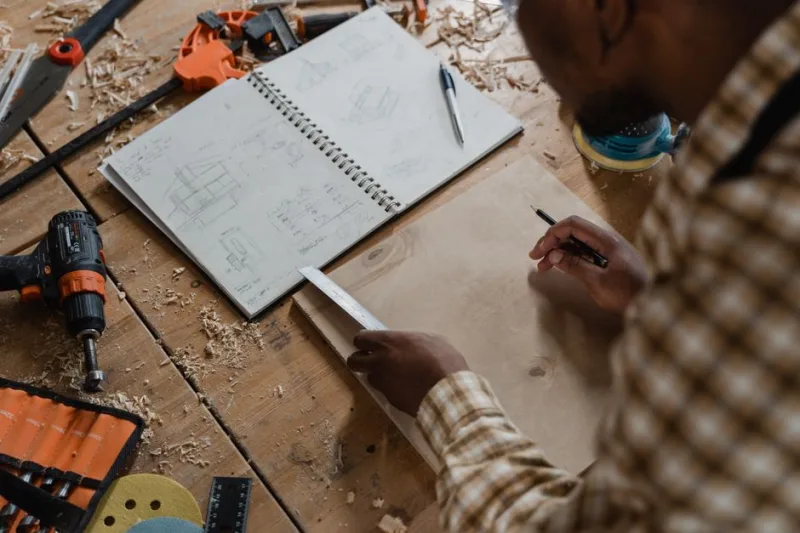
Quality plans include multiple perspectives—front views, side views, top views, and exploded diagrams. These drawings show how pieces fit together and reveal important details that might be missed in a photograph alone.
Cut Lists and Materials
A comprehensive materials list specifies every piece of wood needed, including dimensions and quantity. This helps you purchase the right amount of wood and estimate your project budget accurately.
Tool and Hardware Requirements
Good plans list all tools and hardware you'll need, allowing you to prepare before starting. This prevents mid-project trips to the store and ensures you have everything on hand.
Step-by-Step Instructions
The best plans break the project into logical steps with clear explanations of each phase, from preparing materials through final finishing.
How to Choose the Right Woodworking Plans
Match Plans to Your Skill Level
Honest assessment of your current abilities is crucial. Beginner plans should require only basic tools and simple joinery like pocket holes or lap joints. Intermediate plans might involve mortise and tenon joints or dovetails. Advanced plans tackle complex joinery, veneering, and inlay work.
Consider Your Available Tools
Some plans require specialized equipment like table saws, band saws, or routers. Others work fine with hand tools. Match plans to the tools you actually have access to.
Evaluate Available Space
Large projects require adequate workshop space. Be realistic about your working area and storage capacity before committing to a major build.
Look for Detailed Instructions
Plans should include clear, detailed instructions rather than vague descriptions. Photos or illustrations accompanying each step are invaluable. Explore our detailed project guides and inspiration to see how comprehensive instructions improve your building experience.
The Value of Comprehensive Woodworking Systems
While individual plans have value, comprehensive woodworking systems offer even greater benefits. Systems like Ted's Woodworking provide thousands of plans organized by category and skill level, along with video tutorials, tool reviews, and project guides all in one place.
A complete system saves you from the frustration of hunting across multiple websites for plans, ensures consistency in plan quality and detail, and provides a learning community and support resources. With Ted's Woodworking, you get access to a vast library of professionally designed plans that have been tested and refined by experienced woodworkers.
Discover the complete system and unlock hundreds of projects at every skill level.
Getting Started With Your First Woodworking Project
Ready to build? Here's how to approach your first project:
- Start small: Choose a beginner project like a simple box or cutting board rather than an ambitious furniture piece.
- Study the plans: Review the entire plan thoroughly before making a single cut. Watch any accompanying videos.
- Prepare your workspace: Clear adequate space, organize your tools, and ensure good lighting.
- Mill your materials: Prepare all wood to the dimensions specified in your plans.
- Take your time: Rush rarely produces good results. Follow each step carefully.
- Ask for help: Join woodworking communities and don't hesitate to ask experienced woodworkers for advice.
- Finish professionally: Proper finishing elevates your project from "homemade" to "professional-looking."
FAQ: Common Questions About Woodworking Plans
How much do woodworking plans typically cost?
Pricing varies widely. Individual plans range from free to $50, while comprehensive systems often cost between $50-$200 for lifetime access to thousands of plans. When evaluating cost, consider the value of detailed instructions, video tutorials, and the time saved by having quality plans available.
Can I modify woodworking plans to suit my preferences?
Absolutely. Once you understand how the original plan works, modifications are fair game. However, be cautious about changing structural elements without understanding the implications. Changes to dimensions might affect material strength or appearance. Document any modifications you make so you can replicate successful projects.
What's the difference between free plans and purchased plans?
Free plans vary in quality—some are excellent, others lack detail and clarity. Purchased plans from professional sources typically include more comprehensive instructions, better drawings, tool and material lists, and customer support. They represent a reasonable investment in ensuring your projects turn out well.
Conclusion
Quality woodworking plans are the foundation of successful projects. Whether you're building your first birdhouse or tackling an heirloom-quality dining table, having clear, detailed plans makes the difference between frustration and satisfaction. Invest in good plans, match them to your skill level and available resources, and you'll find yourself creating pieces you're truly proud of.
🔗 You Might Also Like
The woodworking journey is rewarding, and it becomes even more enjoyable when you have the right guidance every step of the way.
```