The Ultimate Guide to Finding Quality Woodworking Plans for Your Next Project
Whether you're a seasoned craftsperson or just picking up a hammer for the first time, having access to reliable woodworking plans can make the difference between a successful project and a frustrating experience. Woodworking plans serve as your blueprint for success, providing detailed instructions, measurements, and material lists that guide you through every step of the building process.
In this comprehensive guide, we'll explore everything you need to know about woodworking plans, how to choose the right ones for your skill level, and where to find high-quality resources that will help you create beautiful pieces for your home.
Understanding Different Types of Woodworking Plans
Woodworking plans come in various formats and complexity levels, each designed to serve different purposes and skill levels. Understanding the distinctions between them will help you select the perfect plan for your next project.
Beginner-Friendly Plans
If you're just starting your woodworking journey, beginner plans typically feature simple designs with straightforward joinery and basic techniques. These plans often include:
- Clear, step-by-step instructions with minimal jargon
- A limited number of tools required
- Projects that can be completed in a weekend or less
- Common wood species that are easy to find and work with
- Detailed diagrams and illustrations
Popular beginner projects include cutting boards, simple shelving units, basic boxes, and small decorative items. These projects help you develop fundamental skills like measuring, cutting, and basic joining techniques.
Intermediate Plans
Once you've mastered the basics, intermediate woodworking plans introduce more complex techniques and designs. These might include:
- Projects requiring multiple woodworking tools
- More advanced joinery methods like mortise and tenon joints
- Finishing techniques and surface treatments
- Projects that require planning across multiple work sessions
- More detailed design considerations
Examples of intermediate projects include furniture pieces like tables, chairs, cabinets, and more sophisticated storage solutions.
Advanced Plans
Advanced woodworking plans are designed for experienced woodworkers ready to tackle complex projects. These include intricate furniture pieces, fine woodworking details, and specialized techniques that showcase advanced craftsmanship.
Key Elements Every Quality Woodworking Plan Should Include
Not all woodworking plans are created equal. When evaluating plans for your next project, ensure they contain these essential elements:
Comprehensive Materials List
A quality plan provides a detailed materials list with specific wood types, quantities, and dimensions. This helps you shop efficiently and avoid costly mistakes or multiple trips to the store. The list should specify:
- Type of wood (hardwood vs. softwood, specific species)
- Exact dimensions and quantities needed
- Hardware and fasteners required
- Finishing supplies
Clear Tool Requirements
Before starting any project, you should know exactly which tools you'll need. Good plans specify both essential and optional tools, helping you understand what's truly necessary versus what might be nice to have.
Detailed Diagrams and Drawings
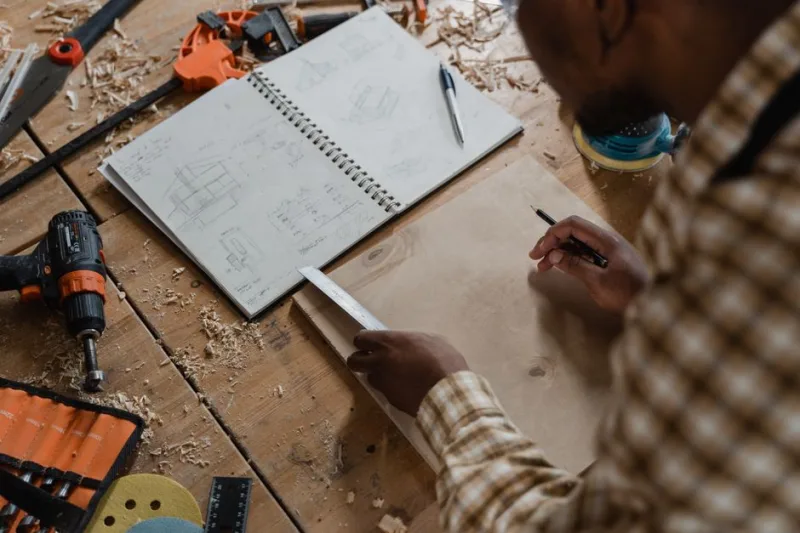
Visual representations are crucial in woodworking. Quality plans include multiple views of the finished project, exploded diagrams showing how pieces fit together, and detailed drawings of joints and connections.
Step-by-Step Instructions
Clear, sequential instructions guide you through the building process. These should be written in accessible language and include important safety considerations.
How to Choose the Right Woodworking Plan for Your Skill Level
Selecting an appropriate plan is critical to your success and enjoyment of the project. Here are several factors to consider:
Assess Your Current Skills
Be honest about your woodworking experience. If you're unsure, start with a beginner project. Successfully completing a simpler project builds confidence and foundational skills that will serve you well in future endeavors.
Evaluate Available Tools
Consider what tools you currently own and what you're willing to invest in. Some projects require specialized equipment. Ensure any plan you choose aligns with your available resources.
Consider Your Timeline
How much time can you dedicate to your project? Some plans can be completed in a weekend, while others require several weeks of work. Choose accordingly based on your schedule and workspace availability.
Think About Your Space
Do you have adequate workshop space? Some projects require significant room for assembly and maneuvering materials. Make sure your workspace can accommodate your chosen project.
Finding High-Quality Woodworking Plans Online
The internet has revolutionized how we access woodworking plans. You can now find plans for virtually any project, but quality varies significantly. When searching for plans, look for resources that offer comprehensive, well-tested designs from experienced woodworkers.
A well-organized woodworking plans database is invaluable. These databases often categorize plans by skill level, project type, and complexity, making it easier to find exactly what you need. The best resources include detailed photographs, clear instructions, and patterns you can print or download.
What to Look for in a Plans Database
- Filter options for skill level and project type
- High-quality images and diagrams
- Customer reviews and ratings
- Regular updates with new plans
- Responsive customer support
- Clear licensing and usage rights
Systems like Ted's Woodworking Plans offer extensive libraries with thousands of projects across all skill levels. These comprehensive collections save time by providing thoroughly tested, detailed plans that have helped countless woodworkers bring their projects to life. Discover the complete system and explore how a robust plans database can streamline your woodworking journey.
Essential Tips for Working with Woodworking Plans
Read the Entire Plan Before Starting
Never start building immediately after finding a plan. Take time to read through the entire project, understand all the steps, and identify any unfamiliar techniques or terminology. This preparation prevents costly mistakes.
Customize Plans to Your Preferences
While following a plan is important, you can often adapt projects to suit your style. Many woodworkers modify dimensions, wood types, or finishes based on their preferences and available materials. Just ensure modifications won't compromise structural integrity.
Keep Detailed Notes
As you work, document your process, any challenges you encountered, and how you solved them. These notes become valuable reference material for future projects and help you develop your personal woodworking methods.
Don't Skip Safety Steps
Always follow safety recommendations in your plans. Wear appropriate protective equipment, maintain focus while using power tools, and never rush through critical steps.
Common Mistakes When Following Woodworking Plans
Even experienced woodworkers sometimes stumble when working from plans. Here are common pitfalls to avoid:
- Using incorrect wood species or lower quality materials
- Skipping crucial preparation steps like wood acclimation
- Not checking tool calibration before starting
- Assuming you understand a technique without practicing first
- Ignoring grain direction in wood selection
- Rushing through the finishing process
Learning from experienced woodworkers through detailed plan repositories helps you avoid these mistakes and understand the reasoning behind each step.
Taking Your Woodworking to the Next Level
As you gain experience working from woodworking plans, you'll develop the skills and confidence to tackle increasingly complex projects. Many woodworkers eventually begin modifying plans or even creating their own designs, using their foundational knowledge as a launching point for creative expression.
The journey from following basic plans to designing custom projects is rewarding and fulfilling. Every project you complete builds your skills and expands your understanding of woodworking principles.
FAQ: Common Questions About Woodworking Plans
Can I use the same plan to make multiple projects, or do I need a new plan each time?
You can absolutely use the same plan multiple times. In fact, many woodworkers build the same project several times, making variations and improvements with each iteration. However, ensure you have proper licensing to reproduce the plan if it's proprietary.
What's the difference between free and paid woodworking plans?
Free plans vary greatly in quality and detail. Paid plans typically include more comprehensive instructions, higher quality diagrams, and have been thoroughly tested by many woodworkers. Paid plans often come with customer support and revisions. For serious projects, the investment in quality paid plans usually pays for itself through reduced material waste and fewer mistakes.
How do I know if a plan will actually work before I start?
Look for plans with numerous positive reviews and ratings from other woodworkers. Check if the plan source has a reputation for quality and accuracy. Reading through customer comments and feedback helps you understand potential challenges. Start with plans from established, reputable sources that stand behind their designs.
Conclusion
🔗 You Might Also Like
Quality woodworking plans are the foundation of successful DIY projects. Whether you're building your first cutting board or tackling a complex furniture piece, having access to clear, detailed plans dramatically improves your chances