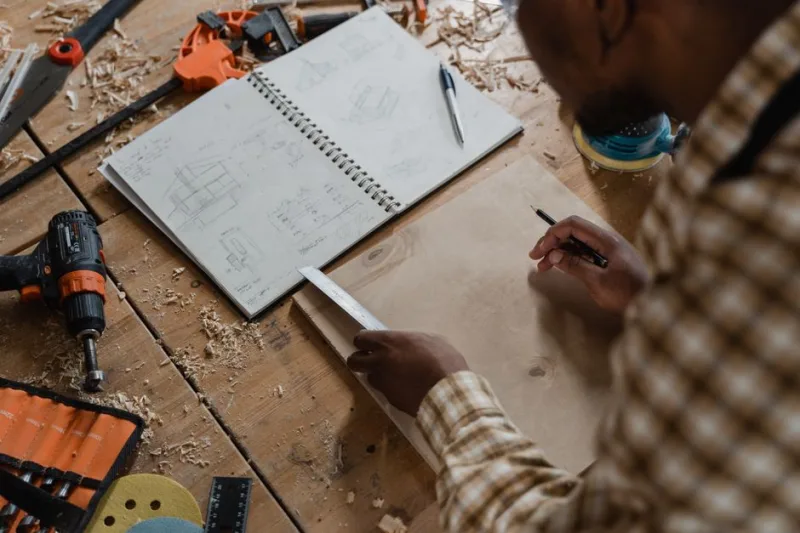
Complete Guide to Woodworking Plans for Beginners and Experts
Woodworking is a rewarding hobby that combines creativity, precision, and craftsmanship. Whether you're interested in building furniture, decorative pieces, or functional home improvements, having access to quality woodworking plans is essential for your success. In this guide, we'll explore everything you need to know about woodworking plans and how to choose the right projects for your skill level.
Why Quality Woodworking Plans Matter
Starting a woodworking project without a solid plan is like building a house without a blueprint. Quality woodworking plans provide you with:
- Detailed measurements and material specifications
- Step-by-step instructions for assembly
- A list of required tools and hardware
- Visual diagrams and illustrations
- Troubleshooting tips for common challenges
Good plans eliminate guesswork and help you complete projects more efficiently. They save time, reduce material waste, and significantly increase the likelihood of a professional-looking final product. Whether you're crafting a simple cutting board or a complex bookshelf, having detailed plans ensures you stay on track from start to finish.
Types of Woodworking Projects to Consider
Beginner-Friendly Projects
If you're new to woodworking, starting with simple projects helps you build confidence and master fundamental techniques. Beginner projects typically require basic tools and minimal experience. Popular options include:
- Cutting boards and serving platters
- Simple shelves and wall-mounted storage
- Wooden boxes and organizers
- Bird feeders and decorative signs
- Basic furniture like small stools or plant stands
These projects teach you essential skills like measuring, cutting, sanding, and finishing while producing items you can actually use or gift. The satisfaction of completing your first project is an excellent motivator for taking on more ambitious builds.
Intermediate Projects
Once you've mastered the basics, intermediate projects allow you to develop more advanced techniques. These might include:
- Dining tables and chairs
- Bedroom furniture like nightstands and dressers
- Kitchen cabinets and islands
- Outdoor furniture and deck projects
- Decorative wall panels and accent pieces
Intermediate projects often involve joinery techniques like mortise and tenon joints, dovetails, or lap joints. They may also require specialized tools and a more sophisticated understanding of woodworking principles. Learning from detailed plans at this level helps you expand your skill set methodically.
Advanced Projects
Advanced woodworkers tackle complex projects that showcase precision and artistry. These include:
- Fine furniture with intricate inlays
- Built-in cabinetry and custom storage systems
- Specialty items like jewelry boxes or music boxes
- Architectural details and trim work
- Artistic wooden sculptures and art pieces
Advanced projects demand meticulous planning and often involve unconventional materials or techniques. Even experienced woodworkers benefit from comprehensive plans to ensure precision.
Essential Tools and Materials for Woodworking
Before starting any project, ensure you have the necessary tools and materials. While basic hand tools get you started, quality power tools make projects easier and more efficient.
Hand Tools Every Woodworker Needs
- Measuring tape and ruler
- Carpenter's square and combination square
- Hammer, mallet, and nail set
- Hand saw and coping saw
- Chisels in various sizes
- Screwdrivers (Phillips and flat-head)
- Clamps and bar clamps
- Sandpaper and sanding blocks
- Drill and drill bits
- Plane and file
Power Tools for Efficiency
As you advance, power tools become invaluable. Key power tools include:
- Table saw or circular saw
- Miter saw for crosscutting
- Orbital sander for smooth finishes
- Power drill and impact driver
- Band saw for curved cuts
- Jointer and planer for milling lumber
- Router for detailed edge work
Start with versatile tools that handle multiple tasks, then invest in specialized equipment as your projects demand. Quality tools last longer and deliver better results, making them worth the investment.
How to Select the Right Woodworking Plans
Not all woodworking plans are created equal. When choosing plans for your next project, consider these factors:
Skill Level Match
Select plans that align with your current abilities. Attempting an advanced project without proper foundation skills leads to frustration and poor results. Plans should challenge you slightly but remain achievable with focused effort and study.
Clarity and Detail
Examine whether plans include clear diagrams, measurements down to 1/16th inch, and step-by-step instructions. Plans with photos showing each phase of construction are particularly helpful. Look for plans that explain the "why" behind techniques, not just the "how."
Material Specifications
Quality plans specify wood types, hardware requirements, and finishing materials. This precision helps you source exactly what you need and estimate costs accurately. Avoid vague descriptions like "use sturdy wood" without specific species recommendations.
Required Tools
Ensure the plan doesn't require tools you don't have or can't access. A great plan should offer alternatives when possible. For example, a project might suggest using a table saw but note how to adapt it for a circular saw if needed.
Reviews and Ratings
Check what other woodworkers say about the plans. Reviews often highlight unclear instructions, missing measurements, or common mistakes to avoid. Platforms offering community feedback help you make informed decisions.
Understanding Woodworking Plans Resources
Several excellent resources provide quality woodworking plans. Systems like Ted's Woodworking offer comprehensive collections with thousands of projects at various skill levels. Discover the complete system that provides detailed, tested plans with video tutorials and community support.
When evaluating any plan collection, look for:
- Extensive project variety across multiple categories
- Professional diagrams and technical drawings
- Material and tool lists that are complete and accurate
- Lifetime access to updates and new plans
- Customer support for questions during projects
- Video tutorials or instructional content
Tips for Successfully Executing Woodworking Plans
Having great plans is just the beginning. Successful execution requires preparation and attention to detail.
Preparation Phase
Read through all instructions before cutting a single piece of wood. Gather all tools and materials. Create a workspace that's well-lit, organized, and safe. Take time to understand the project flow and identify any techniques you're unfamiliar with. Watch instructional videos or practice techniques on scrap wood first.
Accurate Measuring and Marking
The phrase "measure twice, cut once" exists for good reason. Double-check all measurements before cutting. Use sharp pencils for marking, and mark on the side of the line that will be removed. This attention to detail prevents costly mistakes.
Wood Selection and Preparation
Choose appropriate wood for your project. Hardwoods like oak and walnut are durable and attractive but require sharp tools. Softwoods like pine are easier to work with but less durable. Prepare wood by planing it to consistent thickness and letting it acclimate to your workshop's humidity for a few days.
Assembly and Finishing
Dry-fit all pieces before applying glue. This step catches problems early. Use appropriate clamps to hold pieces firmly while glue sets. Apply finishes according to the plan's recommendations. Multiple thin coats usually produce better results than one thick coat. For more woodworking ideas and inspiration, explore our comprehensive collection of tested projects.
Common Beginner Mistakes to Avoid
Learning from others' experiences accelerates your woodworking journey. Common mistakes include:
- Using dull tools that require excessive force and damage wood
- Skipping the wood preparation and finishing steps
- Working without proper clamps, leading to misaligned joints
- Rushing through assembly before ensuring accuracy
- Ignoring safety equipment like dust masks and eye protection
- Using wrong wood types for specific applications
- Applying finishes in dusty or overly humid environments
Taking time to do things correctly the first time prevents frustration and rework later. Quality plans help you avoid these pitfalls by incorporating best practices throughout.
Creating Your Woodworking Portfolio
🔗 You Might Also Like
As you complete projects, you'll develop a portfolio of work that showcases your growing skills. Document each project with before and after photos. Keep notes about what worked well and what you'd change next time. This documentation becomes invalu