Complete Guide to Woodworking Plans: From Beginner Projects to Professional Designs
Whether you're picking up a saw for the first time or you've been working with wood for decades, having access to quality woodworking plans is essential to your success. The right plans serve as your blueprint for creating everything from simple cutting boards to intricate furniture pieces that become family heirlooms. In this comprehensive guide, we'll explore what makes great woodworking plans, how to choose the right projects for your skill level, and how to maximize your results.
Why Woodworking Plans Matter
Woodworking plans aren't just helpful suggestions—they're the foundation of successful projects. A well-designed plan includes precise measurements, material lists, step-by-step instructions, and visual guides that prevent costly mistakes. When you follow a reliable plan, you're not just building an object; you're learning techniques that apply to future projects.
The difference between a successful woodworking project and a frustrating experience often comes down to having clear, detailed plans. Good plans save time, reduce waste, and help you understand the "why" behind each step, not just the "how."
Types of Woodworking Plans Available
Beginner-Friendly Projects
If you're new to woodworking, starting with the right projects is crucial. Beginner plans typically focus on fundamental skills like measuring, cutting straight lines, and basic joinery. Popular beginner projects include:
- Simple wooden boxes and storage solutions
- Basic shelving units
- Cutting boards and serving trays
- Small tables and plant stands
- Picture frames and wall organizers
These projects teach you how to use essential tools while building confidence in your abilities. They're also quick enough that you can complete them in a weekend or two, which keeps motivation high.
Intermediate Woodworking Plans
Once you've mastered the basics, intermediate projects introduce more complex joinery techniques and design considerations. These might include:
- Raised-panel cabinet doors
- Dovetail joints and mortise-and-tenon connections
- Multi-piece furniture like dressers or bookcases
- Decorative boxes with multiple compartments
- Small outdoor furniture pieces
Intermediate projects typically require a few more tools and a deeper understanding of wood movement and finishing techniques. They take longer to complete but deliver more impressive results.
Advanced Professional Plans
Professional woodworkers tackle complex designs that showcase fine craftsmanship. These plans might involve:
- Intricate inlays and veneering
- Complex curved pieces requiring special tools
- Fine furniture requiring advanced finishing
- Custom cabinetry with specialty hardware
- Heirloom-quality pieces with multiple wood species
Professional plans are detailed and technical, assuming experience with advanced tools and techniques. They're perfect for those looking to turn their hobby into a business or create truly exceptional pieces.
Choosing the Right Woodworking Plans for Your Skill Level
Honest Self-Assessment
Before selecting a plan, evaluate your current skill level honestly. Have you completed any previous projects? Do you understand wood grain, moisture content, and wood movement? Can you use power tools safely and accurately? Your answers will guide you toward appropriate plans.
It's better to start slightly easier than you think you need to than to bite off more than you can handle. There's no shame in building foundational skills with simpler projects—every professional woodworker started exactly where you are.
Tool Requirements
Check what tools each plan requires before committing. Some plans need only basic hand tools, while others require expensive power tools like table saws or joinery equipment. Make sure you have access to necessary tools or factor in the cost of acquiring them.
Don't let tool limitations discourage you. Many beginner-friendly woodworking ideas require only basic tools, and you can gradually build your collection as your skills develop.
Time Commitment
Be realistic about how much time you can dedicate to a project. Some plans can be completed in 10-20 hours, while others require 100+ hours of work. Consider your schedule and choose accordingly. Nothing kills enthusiasm faster than a project that drags on longer than expected.
Key Elements of Quality Woodworking Plans
Detailed Measurements and Materials Lists
The best plans provide exact measurements for every piece, including thickness, width, and length. They also include complete materials lists with specific wood types and quantities, hardware specifications, and finishing products needed. This level of detail prevents guesswork and ensures you buy everything before starting.
Clear Visual Diagrams
Comprehensive plans include multiple diagrams showing:
- Overall project dimensions and scale
- Individual component specifications
- Assembly sequences with visual callouts
- Joint details and construction methods
- Finishing and hardware placement
These visuals should be clear enough to understand at a glance, reducing the need to reread written instructions repeatedly.
Step-by-Step Instructions
Well-written plans break projects into logical steps that build on each other. Each step should explain not just what to do, but why you're doing it that way. This educational approach helps you develop skills that transfer to other projects.
Getting the Most from Your Woodworking Plans
Read Through Completely Before Starting
Always read the entire plan before making your first cut. This prevents surprises and helps you understand the overall project flow. You might notice that you need to prepare materials in a specific order or that certain steps require drying time.
Gather and Organize Materials First
Having everything ready before you start saves time and frustration. Organize your wood, hardware, and tools so they're within reach. This organized approach keeps you in a productive mindset and reduces interruptions.
Take Your Time with Measurements
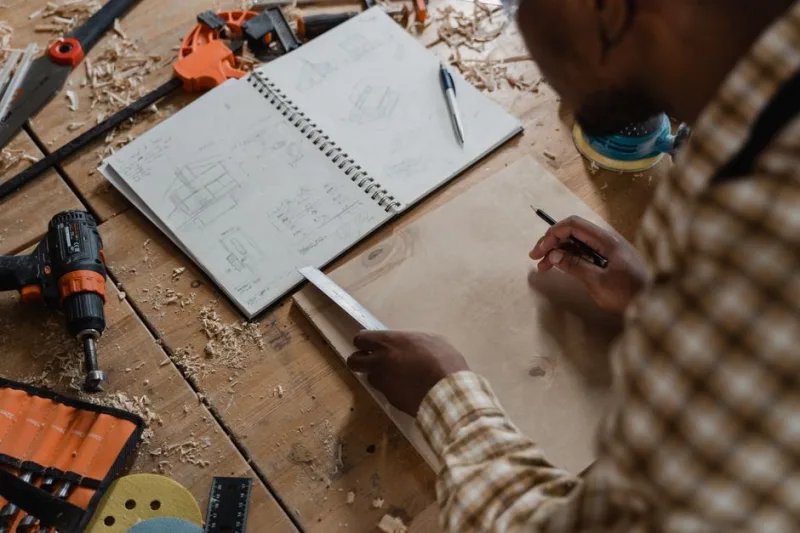
Precision in woodworking starts with accurate measurements. Use quality measuring tools and mark carefully. The old saying "measure twice, cut once" exists for good reason—mistakes at this stage are expensive to fix.
Document Your Process
Take photos and notes as you work. This documentation helps you remember what worked and what didn't, making your next project smoother. It's also incredibly satisfying to look back at your progress.
Finding Comprehensive Woodworking Plan Collections
Rather than hunting for individual plans across multiple sources, many woodworkers benefit from accessing comprehensive collections that cover multiple skill levels and project types. These curated libraries save research time and ensure plan quality across your projects.
Look for collections that include detailed blueprints, materials lists, instructional videos, and community support. The best resources provide plans for every skill level, from simple beginner projects to complex professional designs.
Explore popular woodworking project ideas to see the variety of options available and start planning your next build.
Common Woodworking Project Categories
Furniture and Home Décor
Furniture projects range from simple tables to complex bedroom sets. Home décor pieces include decorative boxes, picture frames, wall shelves, and organizational solutions. These projects combine function with aesthetics, making them popular among hobbyists.
Outdoor Projects
Outdoor woodworking includes garden benches, planters, gazebos, and deck projects. These require understanding weather-resistant wood choices and appropriate finishing products. Outdoor projects often attract woodworkers who want to enhance their home's exterior spaces.
Specialty and Heirloom Projects
Some of the most rewarding projects become family treasures. These might include toy boxes, jewelry cases, hope chests, or music boxes. The time invested in these special projects pays dividends in the satisfaction of creating something truly meaningful.
Building Skills Through Diverse Projects
Your woodworking journey develops fastest when you tackle varied projects that teach different skills. Start with basic rectangular projects to master fundamental techniques, then move to projects involving joints, curves, or complex finishes. This progressive skill-building approach keeps you challenged and engaged.
Each new project should introduce at least one new technique or challenge. This continuous learning prevents boredom while steadily expanding your capabilities. Over time, you'll develop the confidence and knowledge to tackle increasingly complex designs.
FAQ: Common Woodworking Plans Questions
What if I don't have all the recommended tools for a plan?
Consider modifying the plan to work with tools you have, or rent specialized equipment from a local tool library. Many woodworking tasks can be accomplished multiple ways—you might just need to invest more time. However, never compromise on safety; if a plan requires a specific tool for safety reasons, acquire it before starting.
Can I customize plans to fit my specific space or preferences?
Absolutely. Good plans provide scaling guidance and component modification suggestions. You can typically adjust dimensions to fit your space, change wood species for different aesthetics, or modify hardware choices. Just ensure structural integrity remains intact and recalculate material needs for any changes.
How do I know if a plan is appropriate for my skill level?
🔗 You Might Also Like
Quality plans clearly indicate difficulty levels and required skills. Be honest about your experience and choose plans at or slightly below your perceived level. Look for plans that teach you one new skill rather than several simultaneously, which prevents overwhelming yourself while supporting