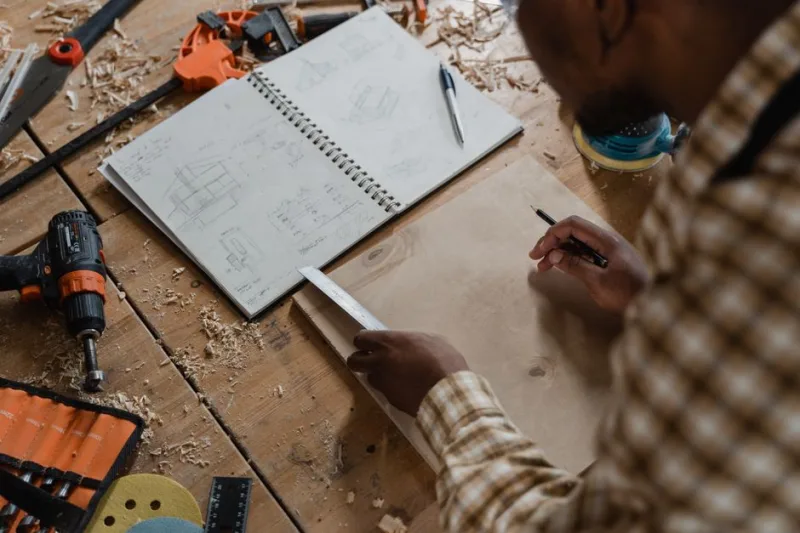
Complete Guide to Woodworking Plans: From Beginner Projects to Professional Builds
Whether you're picking up a hammer for the first time or you've been woodworking for years, having access to quality woodworking plans is essential to your success. The right plans can mean the difference between a beautiful finished piece and a frustrating waste of materials. In this guide, we'll explore everything you need to know about finding, selecting, and executing woodworking plans that match your skill level and vision.
Why Quality Woodworking Plans Matter
Before diving into the specifics of different plans, it's important to understand why investing time in finding good woodworking plans is crucial. Quality plans provide:
- Clear, step-by-step instructions that reduce errors and wasted materials
- Accurate measurements and material lists that help with budgeting
- Realistic timeframes so you can plan your projects accordingly
- Professional design insights that improve the final quality of your work
- Confidence that comes from following a proven method
Poor plans, on the other hand, can lead to confusion, frustration, and costly mistakes. This is why many woodworkers—from hobbyists to professionals—rely on comprehensive collections of vetted plans rather than trying to design everything from scratch.
Types of Woodworking Plans Available
Beginner-Friendly Plans
If you're just starting your woodworking journey, beginner plans are designed with simplicity in mind. These typically feature:
- Straightforward joinery techniques like butt joints and simple dowels
- Common wood types that are easy to work with
- Minimal tool requirements
- Projects that can be completed in a weekend or two
- Detailed diagrams and illustrations for visual learners
Popular beginner projects include cutting boards, simple shelves, basic picture frames, and small storage boxes. These projects help you develop fundamental skills like measuring, cutting, sanding, and finishing while creating useful items for your home.
Intermediate Plans
Once you've mastered the basics, intermediate plans introduce more sophisticated techniques and designs. These projects might include:
- Mortise and tenon joints
- Dovetail joinery
- More complex wood selection and finishing techniques
- Projects requiring a broader tool collection
- Multi-week projects with several components
Examples of intermediate projects include furniture pieces like small tables, bookcases, cabinets, and decorative boxes with detailed inlays. At this level, you're developing craftsmanship and learning to make design decisions.
Advanced Professional Plans
Professional-grade plans cater to experienced woodworkers tackling ambitious projects. These include:
- Fine furniture designs with advanced joinery
- Custom cabinetry plans
- Specialized finishing techniques
- Unique designs that showcase craftsmanship
- Projects requiring specialized or high-end tools
Advanced projects might involve building fine dining tables, custom bedroom furniture, intricate decorative pieces, or professional-grade storage solutions. These plans often serve as both functional guides and inspiration for creative variations.
Finding the Right Plans for Your Project
Assess Your Skill Level Honestly
The first step in choosing the right plan is being honest about your current skill level. Taking on a project that's too advanced can lead to frustration and poor results, while a project that's too simple might not provide the learning opportunity you're seeking. Consider:
- What tools do you currently own?
- What joinery techniques have you successfully completed?
- How much time can you realistically dedicate to a project?
- What's your budget for materials and potential mistakes?
Consider Your Available Tools
Your tool collection will influence which plans are realistic for you. Some projects require specialized tools like table saws, routers, or joinery equipment. Quality woodworking plans should clearly specify required tools, allowing you to either adjust your approach or invest in the right equipment. Check out our DIY woodworking ideas section for tool-specific project suggestions.
Think About Your Space
Your workshop size matters when choosing plans. A large furniture piece requires adequate floor space and proper ventilation. Some plans can be modified for smaller workshops, while others inherently require significant space. Be realistic about your working environment before committing to a project.
How to Work Effectively with Woodworking Plans
Read the Entire Plan Before Starting
Never jump straight into cutting wood after a quick glance at the plans. Spend time reading through the complete instructions, understanding the sequence of steps, and mentally preparing for the project. This helps you:
- Identify any tools or materials you need to acquire
- Spot potential challenges before they become costly mistakes
- Understand the overall project structure and timeline
- Make modifications or improvements before committing materials
Prepare Your Materials Carefully
Good plans provide exact measurements and material lists. Take time to prepare your wood properly—this means selecting appropriate grain patterns, allowing wood to acclimate to your shop's humidity, and milling everything to the exact dimensions specified. Rushing this phase often leads to problems down the line.
Follow the Sequence
Plans exist in a specific order for good reasons. Each step builds on the previous one, and skipping or reordering steps can compromise your results. Even if you think you see a "better way," trust the proven sequence. Once you've completed a few projects, you'll develop the experience to make informed modifications.
Advantages of Using Professional Woodworking Plan Collections
While individual plans are available everywhere, comprehensive plan collections offer significant advantages for serious woodworkers. Systems like Ted's Woodworking provide:
- Thousands of plans ranging from beginner to advanced
- Consistent quality and detail across all plans
- Multiple project categories to keep your work diverse
- Regular updates with new designs
- Video tutorials and detailed instructions
- Community support and inspiration from other woodworkers
For those serious about woodworking, having access to a well-organized collection means you'll never be short on inspiration or guidance. Discover the complete system that has helped thousands of woodworkers bring their visions to life.
Common Mistakes When Following Woodworking Plans
Skimping on Materials
Using cheaper wood or materials to save money often results in poor-quality projects that don't meet expectations. Quality plans assume quality materials—your results will reflect your choices.
Rushing the Process
Woodworking takes time. Each step—from preparation to finishing—contributes to the final quality. Rushing leads to mistakes, injuries, and disappointing results.
Ignoring Safety Precautions
Plans often include safety notes for good reason. Always follow safety guidelines, wear appropriate protective equipment, and respect your tools. No project is worth an injury.
Making Assumptions About Measurements
Even small measurement errors can compound throughout a project. Double-check dimensions, use quality measuring tools, and mark carefully before cutting.
Tips for Customizing Woodworking Plans
Once you've completed a few projects using standard plans, you may want to customize designs to match your specific needs or aesthetics. When modifying plans:
- Understand the structural principles before making changes
- Make dimension changes that maintain proportions
- Consider how modifications affect joint strength
- Test significant changes on scrap wood first
- Document your modifications for future reference
For more inspiration on customizing and adapting plans to your style, visit our collection of DIY woodworking ideas.
FAQ: Common Questions About Woodworking Plans
What's the difference between downloadable plans and printed plans?
Downloadable plans offer convenience and instant access, while printed plans provide a tangible reference you can keep in your workshop. Many woodworkers prefer having both—digital for research and printing specific pages for workshop reference. Digital plans also allow you to zoom in on details and print sections at larger scales if needed.
Can I use plans designed for hand tools with power tools?
Generally yes, but understand the differences in technique. Power tools work faster and may require adjustments to joinery sequences. Plans designed specifically for power tools might use different approaches suited to those tools' capabilities. The end result should be the same—a quality finished piece.
How do I know if a plan is actually suitable for my skill level?
🔗 You Might Also Like
Look for detailed descriptions of required skills and tools. If a plan mentions advanced techniques you haven't learned, it's probably beyond your current level. Don't hesitate to reach out to the plan provider with questions, and read reviews from other woodworkers at similar skill levels to their honest assessments.