Complete Guide to Finding and Using Woodworking Plans for Your Next Project
Whether you're a beginner picking up a saw for the first time or an experienced craftsperson looking to expand your skills, having access to quality woodworking plans is essential. Woodworking plans serve as your blueprint for success, guiding you through every step of the building process and helping you avoid costly mistakes. In this comprehensive guide, we'll explore everything you need to know about selecting, understanding, and executing woodworking plans for your projects.
Why Woodworking Plans Matter
Starting a woodworking project without proper plans is like trying to build a house without blueprints. Plans provide structure, clarity, and confidence. They outline exactly what materials you'll need, the tools required, and step-by-step instructions to bring your vision to life. Quality plans save time, reduce waste, and increase your chances of creating a finished product you'll be proud of.
The right plans can also help you develop new skills. As you progress from simpler projects to more complex designs, you'll naturally advance your woodworking abilities. Plans that match your skill level ensure you're challenged appropriately without becoming frustrated.
Types of Woodworking Plans Available
Beginner-Friendly Projects
If you're just starting your woodworking journey, beginner plans typically focus on simple joinery, basic tools, and straightforward designs. Popular beginner projects include cutting boards, simple shelves, basic boxes, and small tables. These projects help you understand fundamental techniques like measuring, sawing, sanding, and finishing.
Intermediate Woodworking Plans
Once you've mastered the basics, intermediate plans introduce more complex joinery techniques such as mortise and tenon joints, dovetails, and frame-and-panel construction. Intermediate projects might include bedroom furniture, decorative boxes, or kitchen cabinets. These plans assume you have basic tool knowledge and are ready to tackle more intricate work.
Advanced Woodworking Designs
Advanced plans are designed for experienced woodworkers looking to create sophisticated pieces. These might include fine furniture with complex joinery, built-in cabinetry, or decorative architectural elements. Advanced projects often require specialized tools and techniques.
Specialty and Niche Projects
Beyond the traditional skill levels, specialty plans focus on specific interests like outdoor furniture, children's toys, pet furniture, or restoration projects. You can find plans tailored to virtually any interest or need.
Essential Components of Quality Woodworking Plans
Detailed Materials List
A comprehensive materials list tells you exactly what wood types, hardware, and finishing products you'll need. Quality plans specify wood dimensions, quantities, and grades, making it easy to purchase exactly what you need without guesswork or excess waste.
Tool Requirements
Good plans clearly outline which tools are essential and which are optional. This helps you determine whether you need to invest in additional equipment before starting. Plans should distinguish between hand tools and power tools, giving you options based on your workshop setup.
Step-by-Step Instructions
The most helpful plans break the building process into manageable steps. Each step should explain not just what to do, but how to do it and why. Clear language, without excessive jargon, makes instructions accessible to woodworkers at various levels.
Detailed Diagrams and Drawings
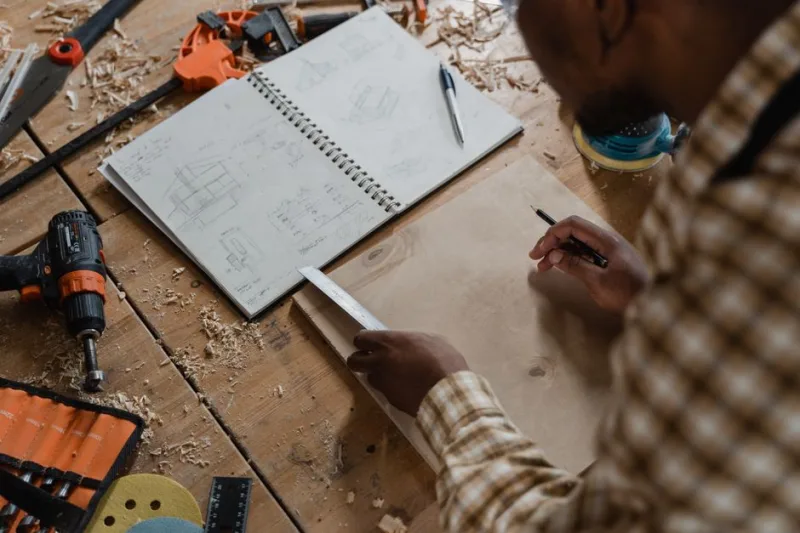
Visual representations are crucial in woodworking. Quality plans include detailed drawings showing dimensions, angles, assembly sequences, and joint details. Isometric views and cross-sections help you understand how pieces fit together in three dimensions.
Finishing Recommendations
Good plans include guidance on sanding, staining, and finishing. They explain which finishes work best for the project type and offer step-by-step finishing instructions to achieve professional results.
How to Choose the Right Woodworking Plan for Your Skill Level
Selecting an appropriate plan is critical to project success. Start by honestly assessing your current skill level and available tools. If you're unsure whether a plan matches your abilities, look for plans that include detailed explanations of techniques. Plans with video tutorials or additional learning resources can help bridge skill gaps.
Consider the time commitment required. Some projects can be completed in a weekend, while others span several months. Be realistic about how much time you can dedicate to your woodworking hobby. A plan for a complex project might be perfect, but only if you have the time to complete it properly.
Think about your workshop space and tool collection. Some plans require a full workshop with specialized equipment, while others use only basic hand tools. Choose plans that work with what you have, or plans that inspire you to invest in specific tools you've been wanting.
Finally, consider the end goal. Are you building something functional for your home, creating gifts, or pursuing woodworking as a serious hobby? Your motivation can help guide which types of plans excite you most.
Understanding Plan Measurements and Specifications
Woodworking plans use precise measurements, typically in inches or metric units. Before starting any project, familiarize yourself with how to read the plans. Pay special attention to:
- Overall dimensions of the finished piece
- Individual component sizes
- Joint details and specifications
- Material thickness requirements
- Hardware sizes and quantities
Many plans include a scale, which allows you to measure drawings directly. Understanding these specifications prevents costly mistakes like cutting pieces the wrong size or ordering incorrect hardware.
Making Your Woodworking Plans Work for You
Quality plans provide a foundation, but the best woodworkers adapt plans to their needs. Once you understand a plan thoroughly, feel free to make modifications for your specific situation. You might adjust dimensions to fit your space, change wood species based on availability, or customize finishes to match your décor.
Document your modifications and results for future reference. Taking photos of your finished project and noting any changes you made creates a valuable record you can reference for similar projects.
Common Mistakes When Following Woodworking Plans
Even with excellent plans, mistakes happen. Here are common pitfalls to avoid:
- Skipping the planning phase: Rushing to cut materials before fully understanding the plan leads to errors
- Not reviewing all steps first: Reading through the entire plan before starting helps you anticipate challenges
- Ignoring safety precautions: Always follow safety guidelines specific to each tool and technique
- Using incorrect materials: Substituting materials without understanding how it affects the project can compromise results
- Rushing the finishing process: Poor finishing can ruin an otherwise well-built project
Building Your Woodworking Plan Library
Start collecting plans that interest you, even if you don't plan to build them immediately. Having a reference library helps you find inspiration and choose your next project. Organize your plans by project type or difficulty level for easy reference.
Consider investing in comprehensive woodworking plan systems that offer collections of plans with consistent quality and detailed instructions. Discover the complete system that thousands of woodworkers trust to find their next great project.
Digital and printed plans each have advantages. Digital plans are searchable and instantly available, while printed plans work well at the workbench. Many serious woodworkers maintain both formats.
Resources for Finding Quality Woodworking Plans
Today's woodworkers have access to plans through multiple channels. Online databases offer thousands of options with varying levels of detail and quality. Woodworking magazines and books provide traditionally published plans vetted by industry experts. Woodworking websites and communities often share plans and modifications. For those seeking structure and variety, comprehensive plan systems offer organized collections designed for different skill levels and interests.
When evaluating any source, look for clear writing, detailed diagrams, and feedback from other builders. Customer reviews can tell you whether a plan lives up to its promises.
FAQ: Common Questions About Woodworking Plans
How much should I expect to spend on woodworking plans?
Woodworking plans vary widely in price. Individual plans might cost $5-$50, while comprehensive plan systems range from $50-$300+. Consider the plan's comprehensiveness, the number of projects included, and the source's reputation. Investing in quality plans often saves money by preventing costly mistakes and material waste.
Can I modify plans to create custom projects?
Absolutely. Once you understand a plan, modifying it for your needs is part of the woodworking journey. You might adjust dimensions, change materials, or adapt designs for different purposes. However, ensure you understand how modifications affect structural integrity, especially for weight-bearing projects. When making significant changes, it's helpful to sketch modifications and verify they'll work before cutting materials.
What should I do if I get stuck while following a plan?
First, review the plan instructions carefully. Sometimes the answer is already there. If you're still confused, check if video tutorials are available. Online woodworking communities are incredibly helpful—post photos and describe your issue, and experienced woodworkers will offer guidance. Finally, don't hesitate to reach out to the plan's creator or publisher. Many are happy to clarify confusing instructions.
Getting Started With Your First Woodworking Project
The best time to start woodworking is now. Choose a plan that excites you and matches your skill level. Gather your materials and tools, set up a clean workspace, and dive in. Remember that every experienced woodworker started exactly where you are—with a plan and determination.
🔗 You Might Also Like
Your woodworking journey will be filled with learning opportunities and the satisfaction of creating something with your own hands. Quality plans provide the guidance you need to succeed. For more woodworking ideas and inspiration