The Complete Guide to Woodworking Plans: From Beginner Projects to Professional Builds
Whether you're just picking up a saw for the first time or you've been working with wood for decades, having access to quality woodworking plans is essential for success. These detailed blueprints and instructions serve as your roadmap, helping you visualize the finished project and understand each step of the construction process. In this guide, we'll explore everything you need to know about woodworking plans and how to choose the right ones for your skill level and interests.
What Are Woodworking Plans and Why Do You Need Them?
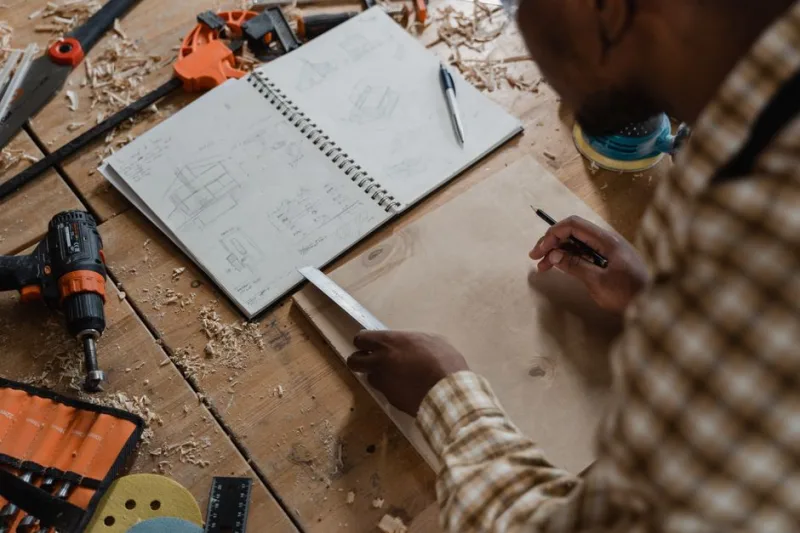
Woodworking plans are detailed instructions that guide you through building wooden furniture, decorative pieces, or functional items. They typically include measurements, materials lists, cutting diagrams, and step-by-step instructions. Think of them as recipes for woodworking—they help ensure you have everything you need before you start and keep you on track throughout the project.
Having solid plans offers several advantages. First, they save you time by eliminating guesswork and trial-and-error. Second, they help you purchase the exact amount of materials you need, preventing waste and saving money. Third, they provide a professional finish because they're designed by experienced craftspeople who understand proportions, joinery, and construction methods.
Types of Woodworking Plans Available
The woodworking project landscape is incredibly diverse. Understanding the different types of plans available will help you find projects that match your interests and skill level.
Furniture Plans
Furniture projects are among the most popular woodworking builds. These include dining tables, bookshelves, bed frames, desks, and chairs. Furniture plans range from simple designs suitable for beginners to complex pieces requiring advanced techniques. Many woodworkers start with smaller furniture projects like end tables or nightstands before moving to larger, more complex pieces.
Decorative and Accent Pieces
If you're not ready to tackle large furniture projects, decorative pieces are excellent starting points. These include wall-mounted shelves, picture frames, decorative boxes, and wooden signs. These projects help you develop fundamental skills without requiring extensive workshop space or large financial investments.
Outdoor Projects
Outdoor woodworking plans include pergolas, garden benches, planters, and deck accessories. These projects often introduce you to weather-resistant wood selections and finishing techniques specific to outdoor applications. Explore more outdoor woodworking ideas to find inspiration for your yard.
Storage Solutions
Storage projects like tool cabinets, closet organizers, and garage shelving combine functionality with practical skill development. These projects teach you about joints, assembly, and finishing while creating useful items for your home.
Choosing the Right Woodworking Plans for Your Skill Level
Selecting appropriate plans is crucial for a successful project. Projects that are too advanced can lead to frustration and poor results, while overly simple projects might not hold your interest or challenge you to grow.
Beginner-Level Projects
If you're new to woodworking, start with projects that involve basic cuts, simple joints, and straightforward assembly. Good beginner projects include cutting boards, simple shelves, basic boxes, and small tables. These projects teach fundamental techniques like measuring, sawing, sanding, and finishing without overwhelming complexity.
Intermediate Projects
Once you've completed several beginner projects, you're ready for intermediate challenges. These might include projects with mortise and tenon joints, dovetail joints, or curved elements. Intermediate projects require better tool control and understanding of wood movement and finishing techniques.
Advanced Projects
Advanced woodworking plans tackle complex joinery, curved designs, and multi-part assemblies. These projects might include fine furniture, intricate boxes, or specialized pieces. They demand precision, experience, and often specialized tools.
Essential Components of Quality Woodworking Plans
When evaluating woodworking plans, look for these essential elements:
- Detailed measurements: Exact dimensions for all components
- Materials list: Complete inventory of wood and hardware needed
- Tools required: Clear indication of which tools you'll need
- Cutting diagrams: Visual representations showing how to cut pieces from lumber
- Assembly instructions: Step-by-step guidance with illustrations
- Finishing recommendations: Specific stains, paints, or sealers suggested
- Troubleshooting tips: Solutions to common problems you might encounter
- Estimated time: How long the project typically takes
Building Your Woodworking Library
The best woodworking plan resources provide comprehensive collections across multiple skill levels and project types. Having access to diverse plans allows you to tackle different projects as your skills develop and your interests evolve. Check out comprehensive collections of woodworking project ideas to build an inspiration library for your future builds.
Many experienced woodworkers recommend using plan systems that include video tutorials alongside printed instructions. Visual demonstrations of techniques can significantly accelerate your learning and help you understand complex joinery or finishing methods.
Understanding Materials in Woodworking Plans
Quality plans specify wood types appropriate for each project. Different woods have distinct characteristics affecting appearance, durability, and workability. Plans might recommend hardwoods like oak or walnut for visible surfaces and softwoods like pine for hidden components. Understanding wood selection helps you create projects that last and look professional.
Plans should also specify hardware requirements—hinges, handles, fasteners, and finishing materials. Knowing exactly what you need prevents multiple shopping trips and ensures compatibility of components.
Taking Your Woodworking Further
As you gain experience, you might begin modifying plans to suit your preferences. Perhaps you'd like to adjust dimensions, change wood types, or combine elements from different projects. Having a strong foundation with established plans gives you the knowledge to make these modifications confidently.
Many professional woodworkers started exactly where you are—following detailed plans, building confidence with each completed project, and gradually developing the skills to design and create original pieces.
Making the Most of Your Woodworking Plans
To maximize success with any woodworking plan, follow these tips:
- Read through the entire plan before starting
- Gather all materials and tools in advance
- Take time to understand the joinery methods used
- Don't rush—proper technique matters more than speed
- Make a practice cut or joint before committing to final pieces
- Document your process with photos for future reference
- Ask questions in woodworking communities if you're unsure about steps
The right woodworking plans transform your creative vision into reality. They provide structure, guidance, and confidence as you develop skills and create beautiful, functional pieces. Whether you're building a simple decorative shelf or a sophisticated furniture piece, quality plans are your foundation for success.
Ready to explore comprehensive woodworking plans that suit your skill level and interests? Discover the complete system that thousands of woodworkers use to access detailed instructions and build professional-quality projects.
FAQ: Common Questions About Woodworking Plans
What tools do I absolutely need to get started with woodworking plans?
Basic woodworking requires a few essential tools: a circular saw or handsaw for cutting, a drill for holes and fastening, a tape measure, a square for accuracy, and a sander. More advanced plans might require specialized tools like chisels, table saws, or miter saws. Most beginner plans specify exactly which tools you'll need, so you can start with basic equipment and add specialty tools as you tackle more complex projects.
How accurate do I need to be when following woodworking plans?
Accuracy is important, but perfection isn't required. Generally, being within 1/8 inch of specified measurements is acceptable for most projects. However, projects with multiple interlocking parts require more precision. Quality plans account for minor variations, and experienced woodworkers develop techniques to accommodate small discrepancies during assembly.
Can I modify woodworking plans to make them my own?
🔗 You Might Also Like
Absolutely! Once you understand a design's fundamentals, modifying plans is part of developing your skills. You might change dimensions, wood types, or decorative details. However, start by completing plans as written before attempting modifications. This ensures you understand the design logic and prevents structural or functional problems in your customized version.
```