Complete Guide to Finding and Using the Best Woodworking Plans for Your Next Project
Whether you're a complete beginner picking up a saw for the first time or an experienced woodworker looking to expand your skillset, having access to quality woodworking plans is essential. The right plans can mean the difference between a frustrating, failed project and a beautiful piece of furniture you'll be proud to display in your home.
In this comprehensive guide, we'll explore how to find the best woodworking plans, what makes a plan truly valuable, and how to approach your next DIY woodworking project with confidence.
Why Quality Woodworking Plans Matter
Starting a woodworking project without proper plans is like trying to build a house without blueprints. You might end up with something, but it probably won't turn out the way you envisioned. Quality woodworking plans provide:
- Detailed measurements and specifications
- Step-by-step instructions that are easy to follow
- Material lists so you know exactly what to buy
- Diagrams and illustrations for clarity
- Tips from experienced woodworkers
- Finishing techniques and suggestions
When you invest time in finding comprehensive plans, you save money, reduce waste, and dramatically increase your chances of creating a professional-looking finished product.
Types of Woodworking Projects You Can Tackle
Furniture Pieces
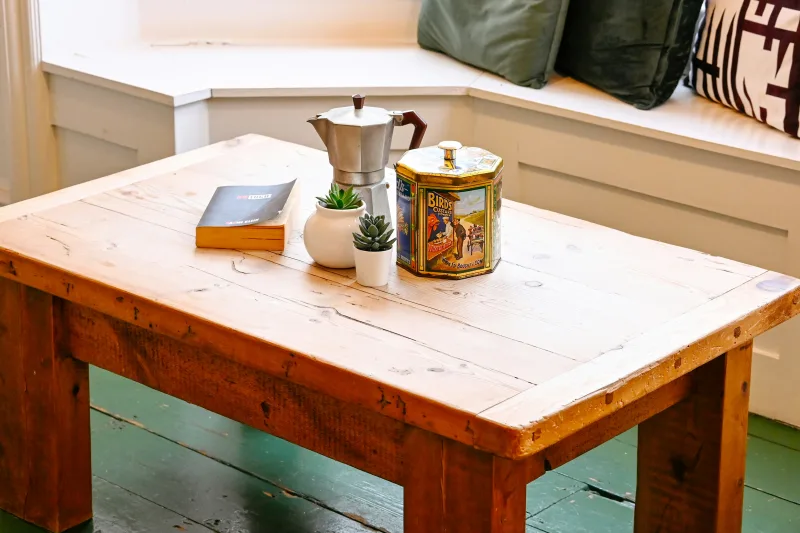
From simple coffee tables to intricate dining sets, furniture projects are among the most rewarding woodworking endeavors. These plans typically range from beginner-friendly to advanced, and the finished pieces add real value to your home. Consider starting with simple furniture designs before moving to more complex builds.
Home Decor and Accessories
If full furniture pieces seem overwhelming, smaller projects like shelving units, picture frames, decorative boxes, and wall-mounted organizers are excellent ways to build confidence. These projects require less material and can be completed in a weekend or two.
Outdoor Projects
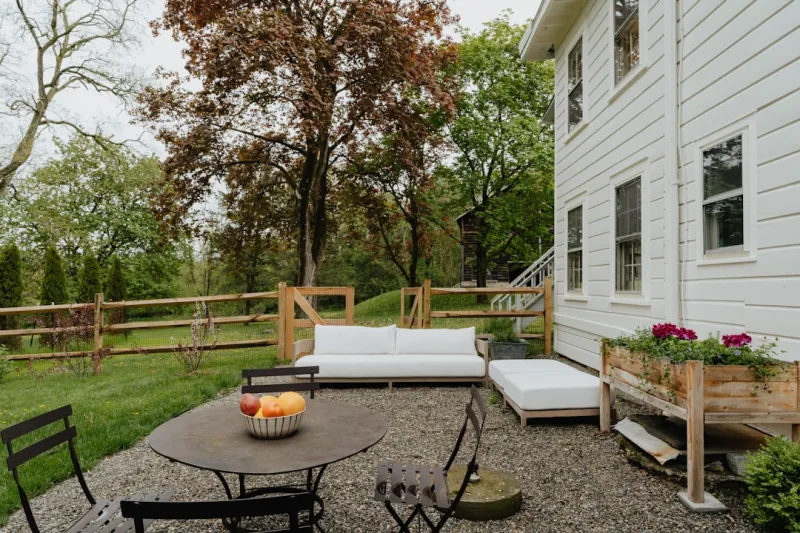
Decks, pergolas, garden benches, and planters are perfect for woodworkers who want to tackle larger-scale projects. Outdoor woodworking requires understanding weather-resistant materials and finishes, which adds an educational element to your skillset.
Specialty and Advanced Projects
Once you've mastered the basics, you might want to explore more specialized work like cabinetry, fine furniture, wooden toys, or intricate decorative pieces. These projects showcase your skills and can even become a side business.
What to Look for in Woodworking Plans
Clear and Detailed Instructions
The best plans break down complex projects into manageable steps. Each instruction should be clear enough that someone without extensive woodworking experience can follow along. Look for plans that include notes about potential trouble spots and how to avoid common mistakes.
Accurate Measurements and Cut Lists
Precision is crucial in woodworking. Quality plans provide exact measurements for every piece, including wood thickness, lengths, widths, and angles. A comprehensive cut list helps you organize your materials before you start cutting, saving time and reducing errors.
Visual Aids and Diagrams
Photographs, drawings, and 3D renderings help you visualize the final product and understand how pieces fit together. Exploded view diagrams are particularly helpful for understanding assembly sequences.
Material Specifications
The best plans tell you exactly what type of wood to use and how much you'll need. They might suggest alternatives if certain woods are hard to find or expensive. Understanding wood selection is an important part of becoming a better woodworker.
Tool Requirements
Quality plans specify which tools you'll need, allowing you to determine if a project is within your current capabilities. They might also suggest alternative methods if you don't have certain tools, making projects accessible to woodworkers at different skill levels.
Getting Started with Your First Project
Assess Your Skill Level
Honestly evaluate your woodworking experience. If you're new to the craft, start with beginner-friendly projects that teach fundamental techniques without overwhelming you. Explore beginner project ideas to find something that excites you.
Gather Your Tools
Before starting, ensure you have all necessary tools. You don't need an expensive workshop to begin—basic hand tools and a few power tools can handle most beginner projects. As you progress, you can invest in additional equipment.
Prepare Your Workspace
A clean, organized workspace makes woodworking safer and more enjoyable. You don't need a large space—a corner of a garage or basement can work perfectly. Ensure adequate lighting and proper ventilation, especially when finishing.
Study Your Plans Thoroughly
Before making a single cut, read through your entire plan multiple times. Understand the construction sequence, identify where joints will be, and mentally walk through the assembly process. This preparation prevents costly mistakes.
Start with Quality Materials
While you don't need premium wood for every project, buying decent materials makes the building process more enjoyable and produces better results. Poor-quality wood can be frustrating to work with and may not finish beautifully.
Finding Comprehensive Woodworking Plans
There are numerous resources available for finding woodworking plans, each with its own advantages. Online marketplaces, specialized woodworking websites, books, and magazines all offer valuable options.
For those looking for an all-in-one solution, comprehensive plan systems provide organized collections of projects categorized by skill level and type. These systems often include video tutorials, materials lists, and community support—everything you need to succeed. Discover the complete system that thousands of woodworkers use to access high-quality plans and expert guidance.
Common Woodworking Challenges and Solutions
Wood Movement and Warping
Wood naturally expands and contracts with moisture and temperature changes. Quality plans account for this through proper joinery and finishing techniques. Understanding wood movement is crucial for creating pieces that stand the test of time.
Achieving Proper Joinery
Joints are the backbone of sturdy woodworking. Whether using mortise and tenon joints, dovetails, or pocket holes, mastering joinery techniques separates amateur projects from professional-quality work. Many plans include variations for different skill levels.
Finishing and Staining
A beautiful finish elevates any woodworking project. Quality plans guide you through sanding progressions, stain selection, and protective finishes. Proper finishing techniques ensure your work looks professional and lasts for years.
Maintaining Accuracy Throughout the Build
Small measurement errors compound as you build. Using quality measuring tools and checking measurements multiple times prevents problems. Many experienced woodworkers use the saying "measure twice, cut once."
Tips for Woodworking Success
- Invest in a quality measuring tape and combination square—accuracy starts with good tools
- Take your time with setup and measurements; rushing these steps leads to problems later
- Keep your tools sharp; dull tools are dangerous and produce poor results
- Don't skip the sanding stages; proper sanding makes finishing easier and looks better
- Test finishes on scrap wood before applying to your project
- Join woodworking communities online or locally for advice and inspiration
- Document your projects with photos to track your progress and improvements
- Keep learning—every project teaches you something new
Building Your Woodworking Skills Over Time
Woodworking is a journey, not a destination. Each project builds on previous experience, teaching you new techniques and expanding your capabilities. Starting with simple projects and gradually working toward more complex builds ensures steady progress and genuine enjoyment of the craft.
As you complete projects, you'll develop an intuition for wood, understand how different joints work in practice, and gain confidence in your abilities. This experiential learning is invaluable and comes only through hands-on work with quality plans guiding the way.
FAQ: Common Questions About Woodworking Plans
What's the best woodworking plan for a complete beginner?
Simple projects like cutting boards, small boxes, or basic shelving are ideal starting points. These projects teach fundamental skills—measuring, cutting, sanding, and finishing—without requiring complex joinery or precision. Look for plans with clear illustrations and step-by-step instructions written for absolute beginners.
How much do quality woodworking plans cost?
Individual plans typically range from free to $50, depending on complexity and detail level. Comprehensive plan collections offer better value, providing access to hundreds of projects for a one-time or subscription fee. Investing in quality plans saves money by reducing material waste and mistakes.
Can I modify woodworking plans to suit my needs?
🔗 You Might Also Like
Absolutely. As you gain experience, modifying plans to match your style or space is part of the craft. However, ensure you understand structural principles before making significant changes. Always consider how modifications affect joint strength and overall stability. Start with minor adjustments as you build confidence in your abilities.
```